
Discuss the crucial role mild steel plates play in construction projects, from building frames and foundations to bridges and towers.
Mild steel plates, also known as MS plates, are one of the most essential materials in the construction industry. They are used extensively in building frames, foundations, bridges, towers, and many other infrastructure projects due to their strength, durability, and cost-effectiveness. Mild steel plates play a key role in ensuring the structural integrity and longevity of various construction works.
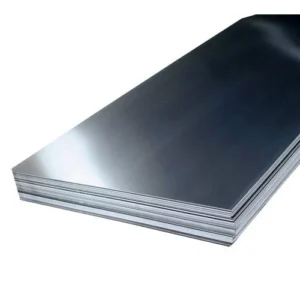
What is a Mild Steel Plate?
A mild steel plate is a flat sheet of mild steel, a low-carbon steel alloy typically composed of 0.05% to 0.25% carbon, which gives it a combination of strength and ductility. Mild steel plates are known for their ability to be welded, cut, and shaped with ease, making them an incredibly versatile material for construction purposes. Their relatively low carbon content makes them more malleable compared to other types of steel, allowing them to be easily fabricated into structural elements that are essential for various construction applications.
Properties of Mild Steel Plates
Mild steel plates are widely used because of their favorable properties, which make them suitable for heavy-duty applications in construction:
- Strength and Durability: Although mild steel is not as strong as high-carbon or stainless steel, it still offers significant strength for structural components, ensuring the stability of buildings, bridges, and other infrastructure.
- Ductility: The low carbon content gives mild steel plates excellent ductility, meaning they can be bent or stretched without breaking. This makes them ideal for shaping and forming into beams, columns, and other components.
- Weldability: Mild steel plates have outstanding weldability, which makes them suitable for joining with other steel components in construction projects. This quality is crucial in large construction works where the integration of various elements is necessary.
- Cost-Effectiveness: Compared to other metals, mild steel is affordable, making mild steel plates an economical option for large-scale construction projects. Their relatively low cost allows builders to manage budgets effectively while maintaining structural integrity.
- Corrosion Resistance: Though not as resistant to corrosion as stainless steel, mild steel plates can be treated with coatings or galvanization to prevent rusting, ensuring they last longer even when exposed to harsh environmental conditions.
Role of Mild Steel Plates in Construction Projects
The role of mild steel plates in construction is vast, contributing to various stages and elements of projects. Below, we will discuss the specific ways these plates are used in key construction works, such as building frames, foundations, bridges, and towers.
1. Building Frames
One of the most common uses of mild steel plates in construction is in the fabrication of building frames. Steel frames are the skeletons of buildings and are critical in ensuring that the structure can withstand various loads, such as weight from the floors, the roof, wind, and seismic activity. Mild steel plates are cut, welded, and shaped into beams, columns, and girders that form the core framework of the building.
The flexibility and weldability of mild steel make it easy to fabricate these structural components and join them together, ensuring a solid, stable foundation for the building. Additionally, mild steel plates are cost-effective and offer the strength needed to support both residential and commercial buildings, which is why they are favored in construction projects around the world.
2. Foundations
Mild steel plates also play a crucial role in the construction of foundations, particularly in the form of reinforcement bars (rebars) embedded in concrete. These steel plates are cut into reinforcement bars, which are then arranged in a grid-like pattern within the foundation slab. The bars provide tensile strength to the concrete, helping it resist stretching and cracking under pressure.
The ability to weld and shape mild steel plates allows for customized reinforcement in foundation designs, which is vital for ensuring the stability of structures like skyscrapers, bridges, and residential homes. Additionally, the corrosion-resistant properties of mild steel plates help increase the lifespan of concrete foundations, making them durable and long-lasting.
3. Bridges and Roads
Bridges are one of the most important infrastructure projects in construction, and mild steel plates are integral to their construction. These plates are used in the fabrication of bridge decks, beams, supports, and reinforcements, making them an essential material in ensuring the strength and safety of bridges.
Mild steel plates are chosen for their combination of strength, flexibility, and cost-effectiveness. In particular, mild steel’s ability to absorb and distribute loads evenly makes it an ideal material for creating robust, long-lasting bridges that can withstand heavy traffic, environmental stress, and the test of time.
In road construction, mild steel plates are used to create road barriers, guardrails, and other safety features. They provide the necessary durability and impact resistance required for traffic safety.
4. Towers and High-Rise Structures
High-rise buildings and communication towers also benefit from the use of steel plates. These structures require a strong, flexible material that can handle the immense weight and forces applied to them. Mild steel plates are used to fabricate structural components like beams, columns, and supports that form the framework of tall towers and skyscrapers.
Mild steel’s ductility and weldability are especially important in the construction of tall structures, as they must be able to endure high wind loads, seismic movements, and other stresses. The versatility of steel plates allows for the creation of complex and intricate designs while maintaining the necessary strength and stability for these towering buildings.
5. Industrial Applications
In addition to their use in traditional building construction, steel plates are also heavily used in industrial applications, such as the manufacturing of large machines, storage tanks, and pressure vessels. Their ability to withstand heavy loads, along with their resistance to impact, makes them an ideal choice for the production of machinery used in the construction of infrastructure projects, like cranes, elevators, and conveyor systems.
Conclusion
Mild steel plates are a cornerstone material in the construction industry, offering strength, flexibility, and affordability for a wide variety of applications. From the building frames that form the skeleton of structures to the foundations that provide stability, steel plates are crucial in ensuring the safety, longevity, and functionality of construction projects. Their versatility and cost-effectiveness make them the material of choice for bridges, towers, high-rise buildings, and industrial machinery. As construction methods continue to evolve, the importance of steel plates will only grow, ensuring their continued use as a fundamental part of the modern construction landscape.
